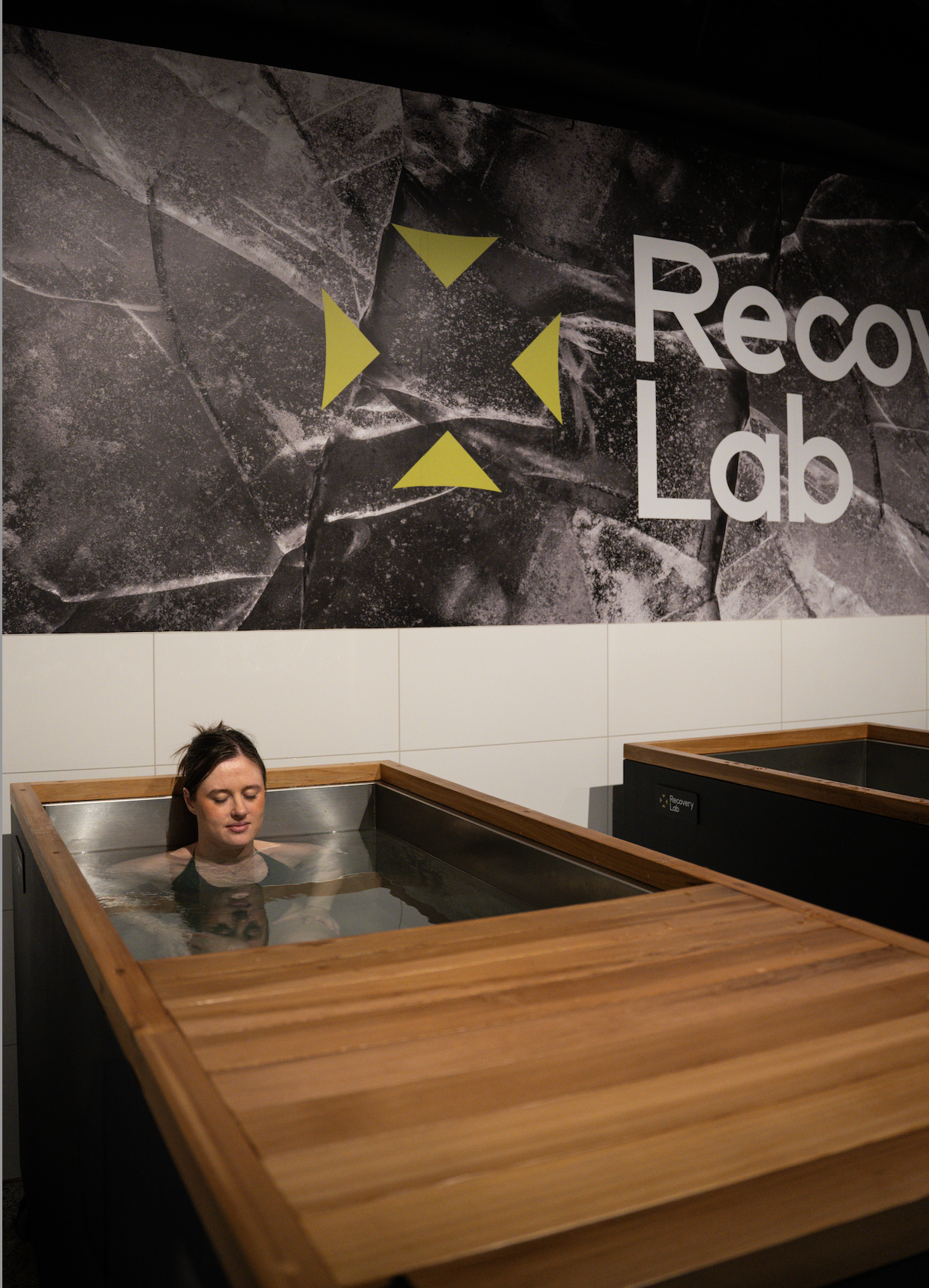
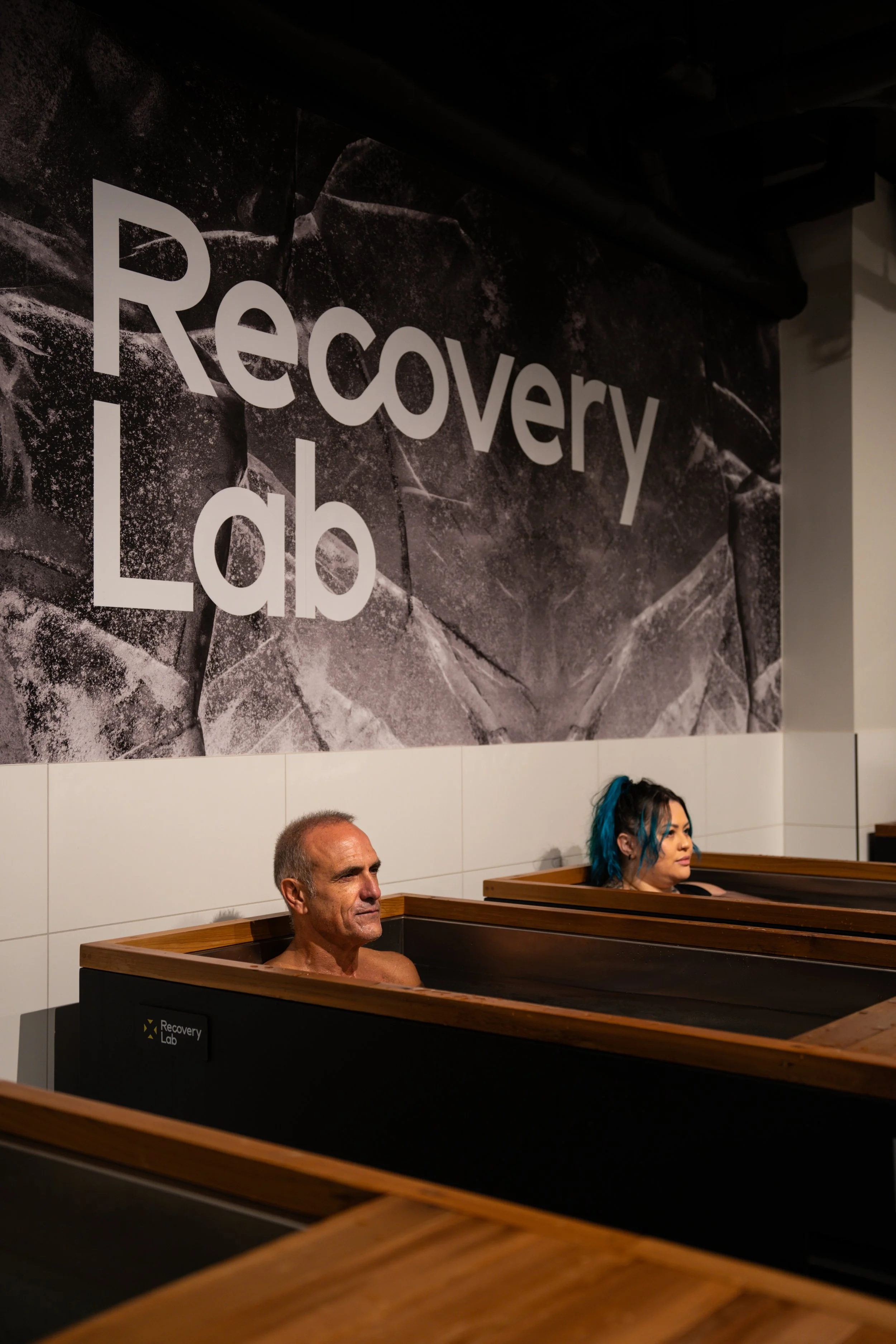
Cold Water Therapy, also known as Cold Water Immersion, is more than a trend—it’s a centuries-old practice embraced for its health and recovery benefits. Used historically in ancient Rome, Greece, and traditional Eastern medicine, modern cold water therapy now combines scientific research with traditional wisdom.
Whether through ice baths, cold showers, or natural water immersion, this therapy benefits athletes, wellness enthusiasts, and anyone seeking improved health, recovery, and vitality.
Proven Benefits
Flushes out toxins
Soothes sore muscles
Reduces inflammation
Eases fatigue
Boosts immune system
Improves circulation
Enhances sleep and emotional resilience
Improved Circulation
Cold immersion cools the body’s core, constricting blood vessels and flushing out toxins. This accelerates blood flow, aiding recovery, cardiovascular health, and energy levels.
Enhanced Recovery
By reducing swelling and tissue breakdown, ice baths help muscles recover faster after intense activity.
Immune System Support
Cold exposure stimulates leukocytes, naturally boosting the body’s defence mechanisms.
Mental Health Benefits
Regular sessions improve emotional resilience, reduce stress, and build mental toughness.
Safety Considerations
Cold water therapy is safe when approached correctly:
Consult a professional: Especially if you have heart, blood pressure, or circulatory conditions.
Start gradually: Begin with shorter, slightly warmer sessions, lowering temperature and extending time over time.
Time & temperature: Ideal ice bath temperature is 8–12°C; limit sessions to 10–15 minutes.
Buddy system: Have someone nearby, particularly if new to the therapy.
Listen to your body: Exit immediately if you feel dizzy, uncomfortable, or unwell.
Avoid alcohol and drugs: These impair temperature regulation and judgment.
Post-therapy care: Warm up gradually with gentle activity, warm clothing, and fluids; avoid sudden hot showers.
Cold Water Therapy is a refreshing, effective, and holistic way to support recovery, immunity, and mental wellbeing—when practiced safely.